

Corporate Culture is Decision-Making Culture
Updated: Mar 26, 2025
Corporate culture is often described as the shared values, norms, and behaviors within an organization. However, the most crucial yet overlooked aspect of corporate culture is how decisions are made. Whether decisions are centralized or decentralized, fast or slow, based on data or intuition—these patterns define an organization’s true culture.
Busting the Myth: Culture is Just “Intangible”
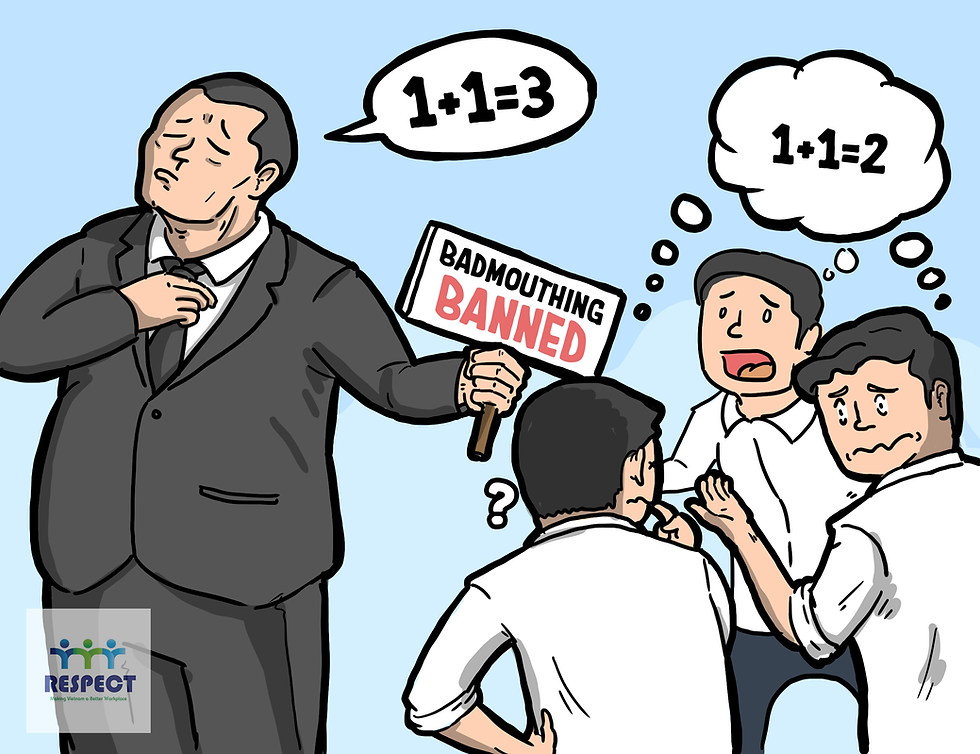
A common misconception is that corporate culture is merely an intangible force—a set of unspoken values, rituals, and beliefs that subtly shape behaviors. Many leaders assume that culture is built through mission statements, team-building exercises, or symbolic gestures rather than through real operational decisions.
The truth?
Culture is not what companies say—it’s how they decide. If a company claims to value customer satisfaction but makes slow, bureaucratic decisions when resolving customer issues, its real culture is inefficiency, not customer-centricity. If a manufacturing firm promotes safety, but its supervisors prioritize production speed over strict safety protocols, its real culture is one of risk-taking, not safety-first.
The Link Between Corporate Culture and Decision-Making
At its core, corporate culture determines:
Who makes decisions (hierarchical vs. decentralized).
How decisions are made (consensus-driven, top-down, agile, bureaucratic).
What values guide decision-making (risk-taking, customer-first, efficiency, safety).
If an organization promotes agility but takes weeks to approve small budget changes, its real culture is bureaucratic, not agile. If a company claims to be data-driven but leaders frequently override analytics with gut instinct, decision-making contradicts the company’s stated values.
Examples of Decision-Making Culture
1. Tech Startups (Non-Manufacturing) – Agile & Decentralized Decision-Making

Example: A fintech startup developing a new payment app gives product managers full control over feature development decisions. Instead of waiting for executive approval, product teams use real-time customer feedback to make adjustments quickly.
Culture reflected in decisions: Fast, customer-driven, and adaptable.
Outcome: Faster innovation and ability to pivot when market demands shift.
2. Automotive Manufacturing – Hierarchical & Process-Driven Decision-Making

Example: A global car manufacturer follows a strict approval process for design changes to ensure safety and compliance. Engineers submit proposed changes to a quality control board, which requires multiple levels of review.
Culture reflected in decisions: Structured, safety-first, and risk-averse.
Outcome: High product reliability but slower adaptation to consumer trends.
3. Retail Chain (Non-Manufacturing) – Data-Driven Decision-Making

Example: A multinational retail chain uses AI-powered analytics to determine which products to stock in different store locations. Store managers receive automated recommendations rather than making intuitive purchasing decisions.
Culture reflected in decisions: Data-driven, efficiency-focused.
Outcome: Reduced waste and optimized inventory, but potential loss of local decision-making flexibility.
4. Pharmaceutical Manufacturing – Compliance-Heavy Decision-Making

Example: A pharmaceutical company developing a new vaccine must follow strict regulatory decision-making processes, including multiple rounds of clinical trials and government approvals. Any change in process must be approved by compliance officers and regulatory bodies.
Culture reflected in decisions: Highly structured, compliance-focused, with minimal flexibility.
Outcome: Safe and effective products but slower time-to-market.
Comparison table of organizational models according to McKinsey report
Organizational Model | Decision-Making Approach | Advantages | Challenges |
Functional Model | Decisions are centralized at senior leadership within each functional department (HR, Finance, Marketing, etc.) | Clear structure, stability, and high specialization | Lacks flexibility, prone to departmental silos |
Divisional Model | Each business unit makes decisions within its own domain | Suitable for large enterprises, optimized for products/markets | Potential resource duplication, lack of consistency across units |
Matrix Model | Decision-making is shared between functional managers and project/product managers | Incorporates multiple perspectives, more flexibility | Complex structure, potential for authority conflicts |
Process-Based Model | Decisions are based on cross-functional processes, reducing reliance on hierarchical structures | Improves efficiency and implementation speed | Requires strong interdepartmental collaboration, difficult to adjust if processes are rigid |
Network Model | Decision-making is decentralized among autonomous teams and organizations | Highly flexible, suitable for innovative companies | Difficult to control, requires strong communication systems |
Agile Model | Autonomous cross-functional teams make decisions quickly in response to change | Enhances speed and adaptability | Hard to implement in large organizations or regulated industries |
Holacracy & Self-Managing Model | Decentralized decision-making with no traditional managers | Maximizes autonomy, encourages innovation | Requires a strong corporate culture, potential role confusion |
Ecosystem Model | Decision-making is shared across multiple organizations, external partners, and stakeholders | Leverages resources from various sources, expands influence | Requires complex relationship management, risk of dependency on partners |
Conclusion

A company’s culture is not shaped by slogans or values on paper—it’s shaped by how decisions are made and implemented. Whether in manufacturing or non-manufacturing industries, decision-making processes define how an organization operates.
Respect Vietnam is a local consulting firm known for its unique human-centric approach to organizational excellence in Vietnam & the region.
In the past ten years, RespectVN successfully developed award-winning workplace solutions that are ground-breaking, myth-busting & conventional wisdom-challenging, helping hundreds of teams & thousands of individuals unleash their potential & strengths from within to create their unique competitive advantages.
The solutions take manpower quality, labor productivity, workforce transformation, organizational excellence,
business model alignment, & (inter)national standard advocacy, in Vietnam and other countries, to the next level.

There are no great organizations.
There are only great people who make great organizations"
-----------
Respect Vietnam prepares purpose-driven leaders
& people-centric organizations
in the face of the fast-changing world of work

__________________________
RESPECT VIETNAM LTD CO.
Fanpage: RespectVN
Website: respectvn.com
Linkedin: vn.linkedin.com/company/respect-vietnam
Address: No. 66 Lane 102 Street Truong Chinh, District Dong Da, Hanoi
Email: info@respectvn.com
Hotline: 0888673222


Je trouve qu’il existe encore beaucoup de personnes qui repoussent leurs soins dentaires jusqu’au moment où la douleur devient difficile à supporter. Pourtant, un suivi régulier peut souvent éviter des traitements beaucoup plus lourds par la suite. En découvrant dentiste tanger, j’ai apprécié le fait que le site parle de plusieurs traitements tout en gardant un ton accessible pour les patients qui ne connaissent pas forcément le domaine dentaire. Cela m’a rappelé plusieurs proches qui se sentaient beaucoup plus rassurés après avoir mieux compris le déroulement des soins.
This blog really highlights something many parents overlook—building a child’s profile isn’t just about grades, it’s about shaping well-rounded skills early on. In today’s fast-changing world, encouraging kids to explore interests like coding, communication, and problem-solving can make a huge difference later. I especially liked the focus on practical learning, because academic knowledge alone often isn’t enough anymore. For example, when students start working on subjects like programming, having the right guidance—similar to how a Java Assignment Helper supports learners—can boost both confidence and understanding. It’s not about doing the work for them, but helping them learn smarter and think independently. Creating opportunities for children to experiment, fail, and grow is what truly builds a strong foundation for future success.…
This is such an insightful post! The idea that a company’s decision-making culture defines its overall corporate culture really resonates with me. It reminds me of how Nestle’s multidomestic strategy works—each market gets the autonomy to make decisions best suited for local consumers while still aligning with the brand’s global values. That balance between local flexibility and global consistency truly reflects smart, empowered decision-making. In the same way, businesses today need to cultivate environments that trust teams to think independently while staying rooted in a shared mission. At New Assignment Help UK, we see parallels in collaborating with diverse clients worldwide—every project benefits from both independent insight and a cohesive organizational direction. Great read and definitely a valuable reminder for…
This post really hits home — the idea that culture lives in decisions, not declarations, is something every professional eventually learns the hard way. I've seen organizations proudly display "agility" on their walls while taking three weeks to approve a minor budget change. The gap between stated values and actual decision-making behavior is where culture either thrives or quietly dies. It's a lot like students who claim to value learning but look for shortcuts — some even pay someone to take my online exam — rather than engaging with the material that builds real competence. True culture, whether in a boardroom or a classroom, shows up in the small, daily choices people make under pressure. Your breakdown of decision-making models…
I really enjoyed your perspective on how corporate culture is decision‑making culture because it shows that what really matters isn’t just mission statements or buzzwords but the actual way choices are made and values are shown through actions, like agility versus bureaucracy. This resonates with the idea that culture reveals itself in real decisions rather than slogans, and that clarity, speed, and consistency are vital for healthy workplaces. As someone often helping students think critically about business topics, even with Assignment Help UK, I find this framework a clear and practical way to discuss culture in essays and real organisations.